

Item sets


International Garment Workers' Federation (1893-1960)
The organisation was established in 1893 at a conference in Zürich, under the name International Clothing Workers' Federation. The following year, it established its headquarters in Berlin, with Clara Zetkin acting as its first General Secretary. The organisation moved to Amsterdam in 1920. It held conferences in various European locations every 3 to 4 years. In 1925, the International Furriers' Secretariat merged into the organisation, giving it 29 affiliates and a total of 315,000 members.
The federation ceased to operate during World War II, but was re-established in 1946, based in London. In 1949, it was re-founded as the International Garment Workers' Federation, which in 1960 merged with the International Federation of Textile Workers' Associations to form the International Textile and Garment Workers' Federation.
The federation ceased to operate during World War II, but was re-established in 1946, based in London. In 1949, it was re-founded as the International Garment Workers' Federation, which in 1960 merged with the International Federation of Textile Workers' Associations to form the International Textile and Garment Workers' Federation.
International branch

International Textile, Garment and Leather Workers' Federation - ITGLWF (1970–2012)
The organisation was established in 1970 through the merger of two earlier federations representing textile, garment, shoe, and leather workers. Its roots trace back to various international labour organisations founded in the late 19th century.
The ITGLWF held a congress every four years to set its policy direction, with delegates from member organisations. Headquartered in Brussels, it operated through four regional bodies: in Venezuela (Americas), Belgium (Europe), Japan (Asia), and South Africa (Africa).
It collaborated closely with the International Trade Union Confederation and other global union federations. In 2007, it absorbed the International Federation Textile-Clothing, and in 2012, its affiliates joined the newly formed IndustriALL Global Union.
The ITGLWF held a congress every four years to set its policy direction, with delegates from member organisations. Headquartered in Brussels, it operated through four regional bodies: in Venezuela (Americas), Belgium (Europe), Japan (Asia), and South Africa (Africa).
It collaborated closely with the International Trade Union Confederation and other global union federations. In 2007, it absorbed the International Federation Textile-Clothing, and in 2012, its affiliates joined the newly formed IndustriALL Global Union.
International branch
International Boot and Shoe Operatives and Leather Workers' Federation - IBSOLWF (1889-1970)
The organisation was first founded in 1889 in Paris but dissolved by 1900 due to limited engagement from member unions. A new federation was established in 1907 in Nürnberg under German trade unionist Josef Simon, later expanding to include leather, skin, and hide workers.
In 1933, the headquarters moved to London due to the rise of Nazism, with George Chester becoming general secretary. After becoming inactive during World War II, it was reformed in 1946 as the International Shoe and Leather Workers' Federation (ISLWF).
In 1970, the ISLWF merged with the International Textile and Garment Workers' Federation to form the International Textile, Garment and Leather Workers' Federation (ITGLWF).
In 1933, the headquarters moved to London due to the rise of Nazism, with George Chester becoming general secretary. After becoming inactive during World War II, it was reformed in 1946 as the International Shoe and Leather Workers' Federation (ISLWF).
In 1970, the ISLWF merged with the International Textile and Garment Workers' Federation to form the International Textile, Garment and Leather Workers' Federation (ITGLWF).
International branch
International Federation of Textile Workers' Associations - IFTWA (1894-1960)
The organisation was founded following the 1894 International Textile Congress in Manchester, initiated by British union leaders James Mawdsley and David Holmes. Delegates from several countries agreed to form an international organisation and campaign for an eight-hour workday.
Initially focused on organising conferences, the federation gained momentum in 1905 with the appointment of William Marsland as general secretary, followed by Tom Shaw. After a pause during World War I, it was re-established in 1920 and affiliated with the International Federation of Trade Unions. Under Shaw’s leadership, it advocated for reduced working hours and investigated labor conditions abroad.
The federation became inactive during World War II but was revived in 1946. In 1960, it merged with the International Garment Workers' Federation to form the International Textile and Garment Workers' Federation (ITGWF).
Initially focused on organising conferences, the federation gained momentum in 1905 with the appointment of William Marsland as general secretary, followed by Tom Shaw. After a pause during World War I, it was re-established in 1920 and affiliated with the International Federation of Trade Unions. Under Shaw’s leadership, it advocated for reduced working hours and investigated labor conditions abroad.
The federation became inactive during World War II but was revived in 1946. In 1960, it merged with the International Garment Workers' Federation to form the International Textile and Garment Workers' Federation (ITGWF).
International branch
International Textile and Garment Workers' Federation - ITGWF (1960-1970)
The organisation was a global union federation representing workers in the textile and clothing industries. It was formed on 17 June 1960 in Copenhagen through the merger of the International Federation of Textile Workers' Associations and the International Garment Workers' Federation.
Led by Jack Greenhalgh (general secretary), John Newton (president), and Alphonse Baeyens (vice-president), the federation operated for a decade before merging with the International Shoe and Leather Workers' Federation on 5 June 1970 in Folkestone, England. This merger created the International Textile, Garment and Leather Workers' Federation (ITGLWF).
Led by Jack Greenhalgh (general secretary), John Newton (president), and Alphonse Baeyens (vice-president), the federation operated for a decade before merging with the International Shoe and Leather Workers' Federation on 5 June 1970 in Folkestone, England. This merger created the International Textile, Garment and Leather Workers' Federation (ITGLWF).
International branch
Svenska Skorstensfejeriarbetareförbundet (1901-1902, 1918-1981)
As early as 1901, an initial attempt was made to organise chimney sweep workers. However, this proved difficult, and in 1902 the organisation's departments were incorporated into Svenska Grov- och fabriksarbetareförbundet (the Swedish General Workers' Union).
After a period of friction between the chimney sweeps and the General Workers' Union's board, Svenska Skorstensfejeriarbetareförbundet (the Swedish Chimney Sweeps' Union) was formed in 1918. Arthur Karlsson from Stockholm was elected as the first chairman.
A name change was made in 1976 to Svenska skorstensfejareförbundet (the Swedish Chimney Sweepers' Union). Due to the municipalisation of the chimney sweeping service in the 1970s, the organisation joined Kommunalarbetareförbundet (the Swedish Municipal Workers' Union in 1981).
After a period of friction between the chimney sweeps and the General Workers' Union's board, Svenska Skorstensfejeriarbetareförbundet (the Swedish Chimney Sweeps' Union) was formed in 1918. Arthur Karlsson from Stockholm was elected as the first chairman.
A name change was made in 1976 to Svenska skorstensfejareförbundet (the Swedish Chimney Sweepers' Union). Due to the municipalisation of the chimney sweeping service in the 1970s, the organisation joined Kommunalarbetareförbundet (the Swedish Municipal Workers' Union in 1981).
National branch
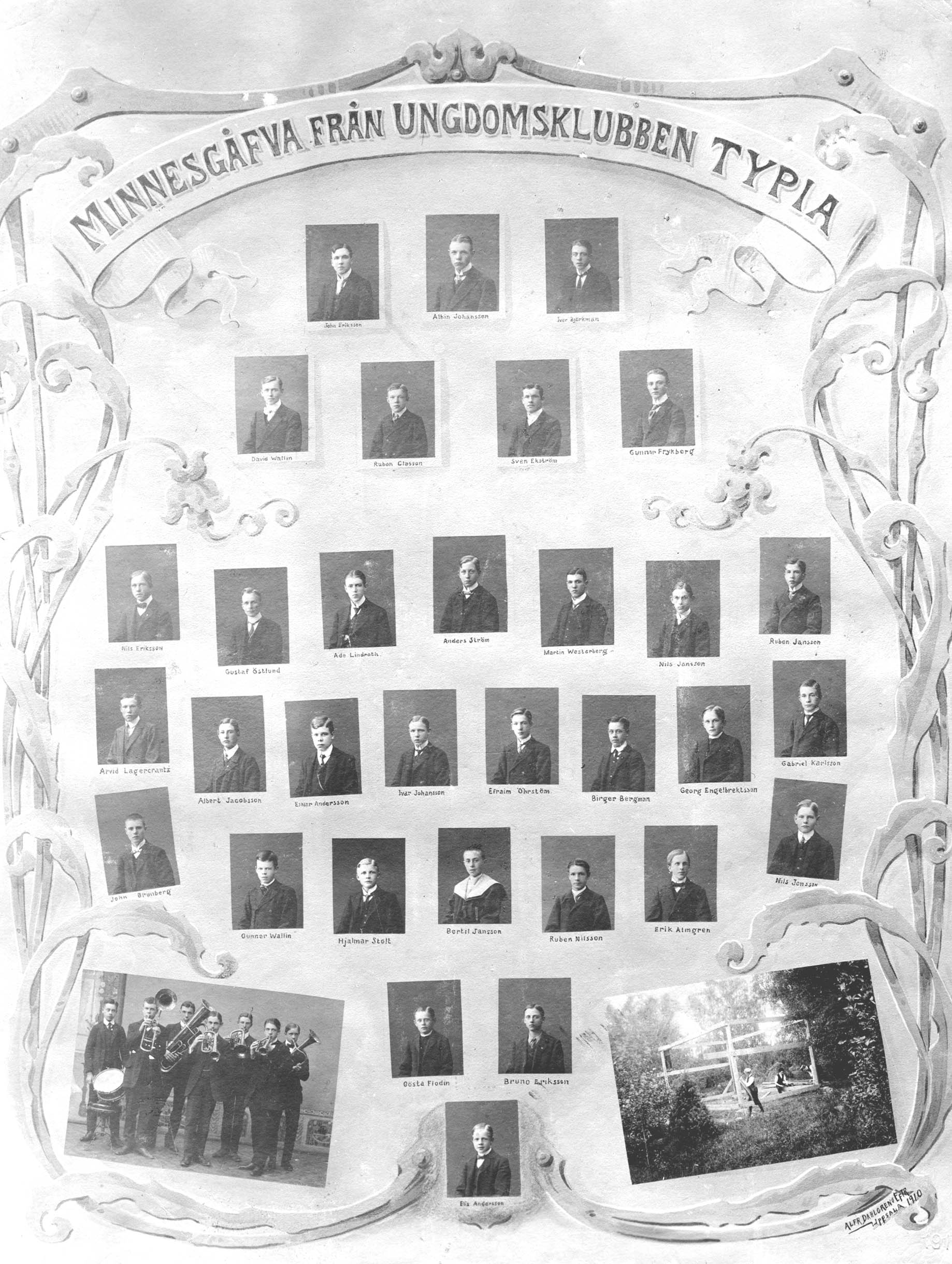
Typografförbundet avd 084/ Uppsala Typografiska förening ungdomsklubb Typia Uppsala (1918-1922)
Founded in 1910 with the aim of promoting camaraderie and organizing leisure activities for young printing workers at Almqvist & Wiksell in Uppsala.
Division
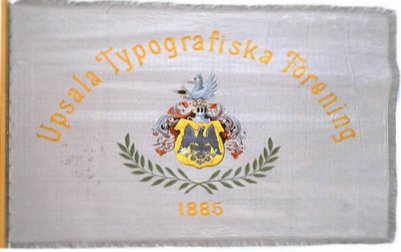
Typografförbundet avd 84, Uppsala / Uppsala typografiska förening (1892-1929)
Founded in 1885 and ended in 1973.
Division
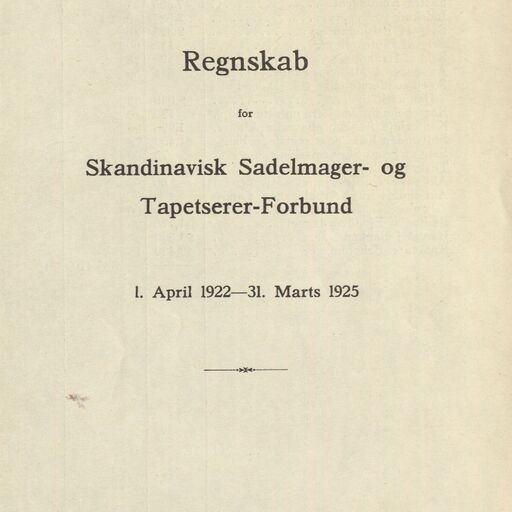
Scandinavian Saddle Makers and Upholsterers Union
In 1892, the Scandinavian Saddle Makers and Upholsterers Union was founded, thereby dissolving the Swedish Saddle Makers and Upholsterers Union, which had been formed two years earlier in 1890. The association joined the Swedish Trade Union Confederation (LO) in 1900. In 1940, the Swedish branch broke away from the Scandinavian union to resume and resumed operations old name, the Swedish Saddlers and Upholsterers Union. The union was dissolved in 1962, and the saddlers joined the Shoe and Leather Workers' Union, while the upholsterers joined the Swedish Woodworkers' Union.
Lantarbetareförbundet krets Uppsala (1936 - 1940)
Formed in 1929 as a branch of the Uppland Agricultural Workers' Union.
From 1930, a branch of the Uppland district of the Swedish Agricultural Workers' Union.
From 1930, a branch of the Uppland district of the Swedish Agricultural Workers' Union.
Branch within district
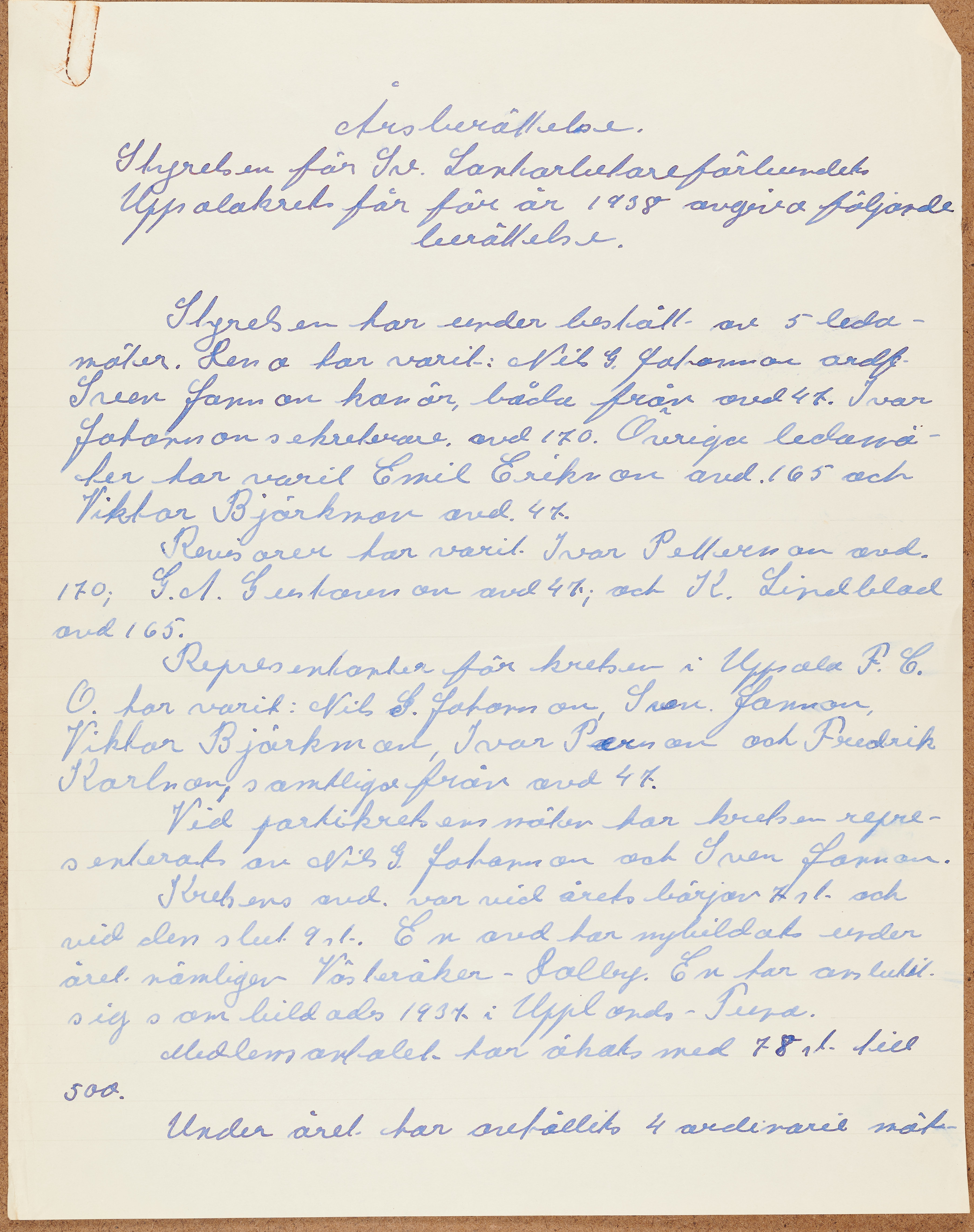
Lantarbetareförbundet avd 130 Bredsdalsorten (1946-1950)
Merged with department 684 Sparrsätra on January 1, 1958. The new department was named 130 Sparrsätra.
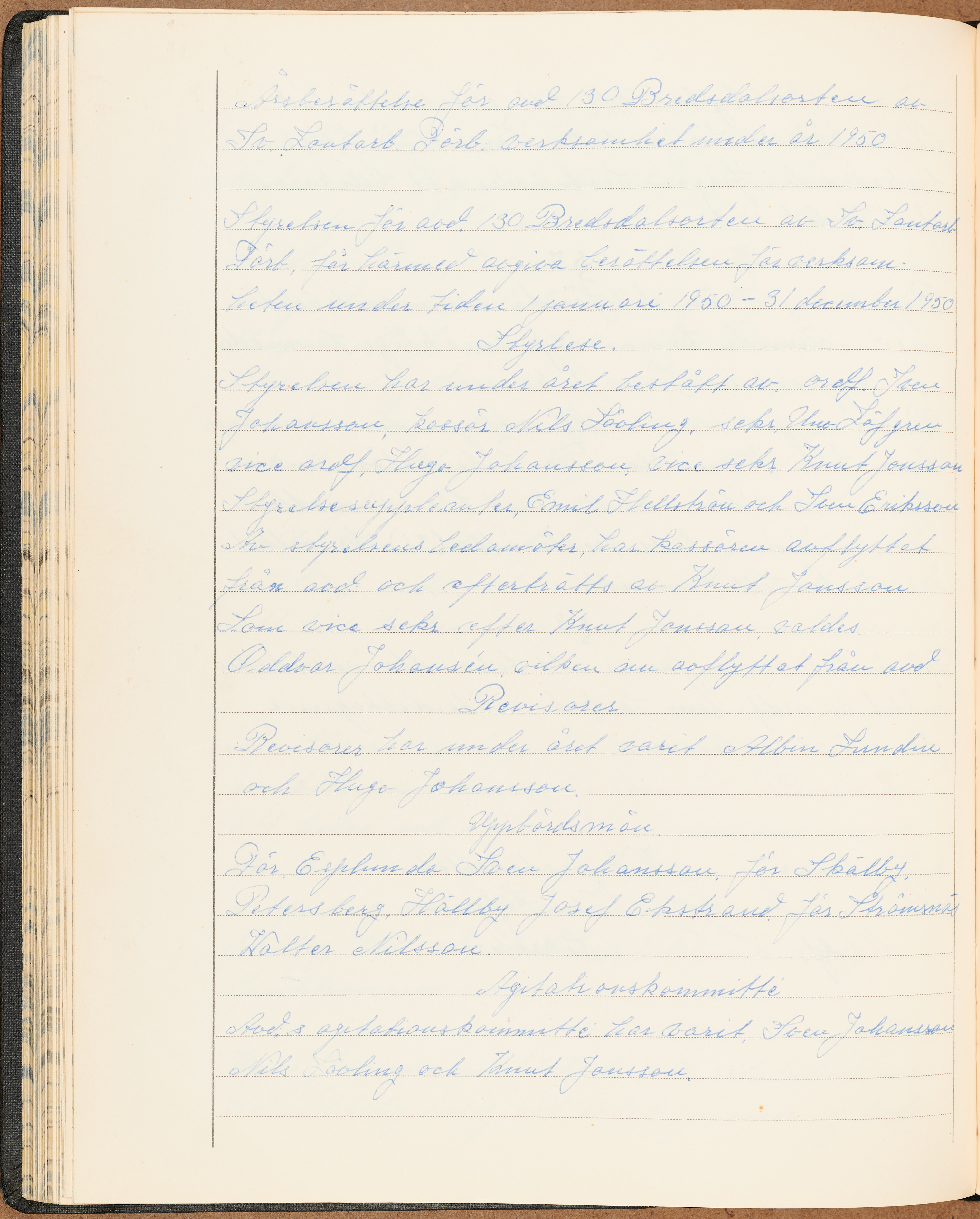
Lantarbetareförbundet avd 073 Tillinge-Svinnegarn (1956)
Formed in 1919, and ceased to exist in 1967 due to joining the new large division 023 Enköping.
Division
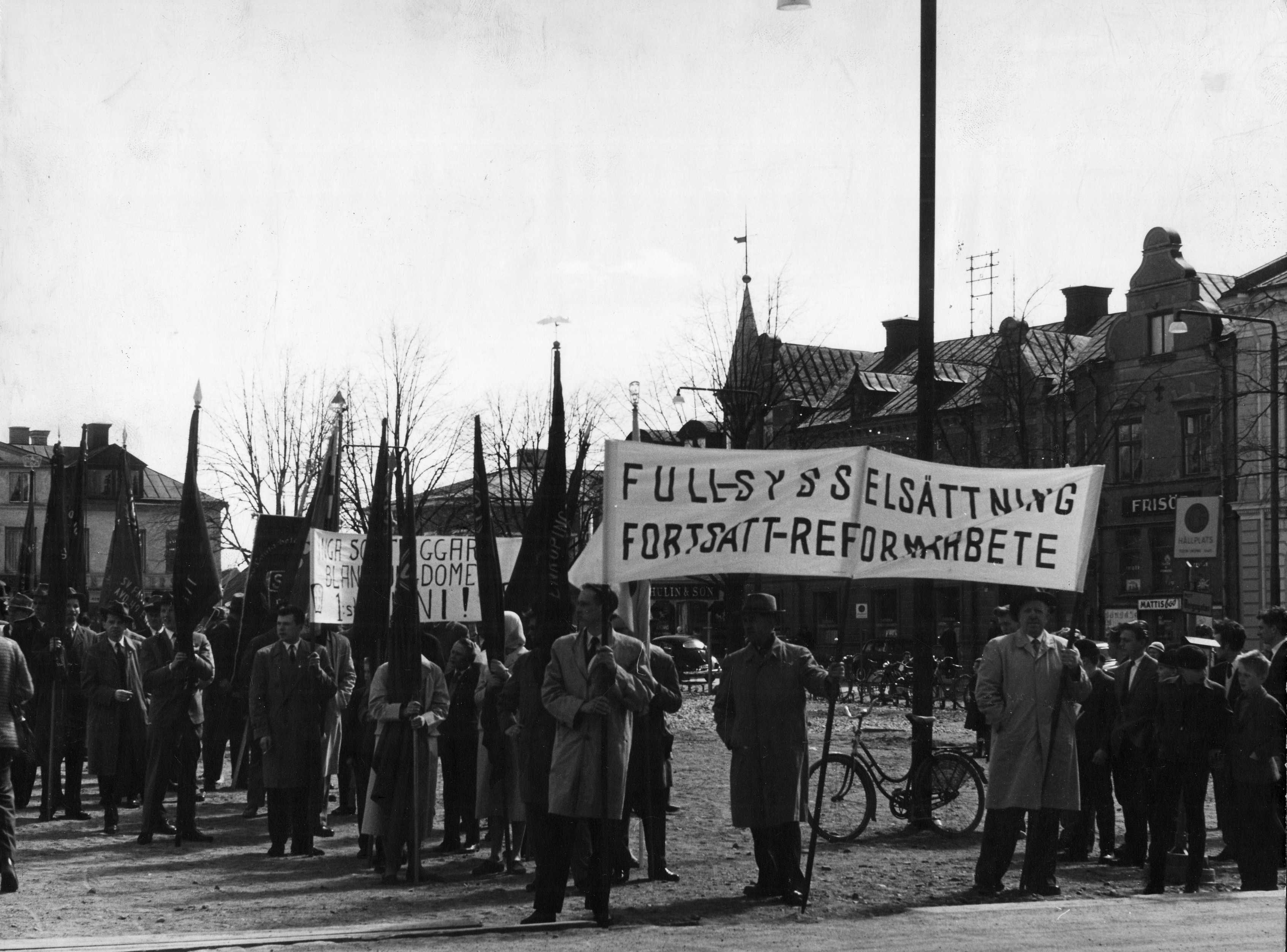
Lantarbetareförbundet avd 023 Enköping (1967-1990)
The Agricultural Workers' Union division 023 Enköping was formed in 1967 and ceased to exist in 1991 when it merged with division 020 Norra Mälardalen within the Swedish Agricultural Workers' Union.
Division
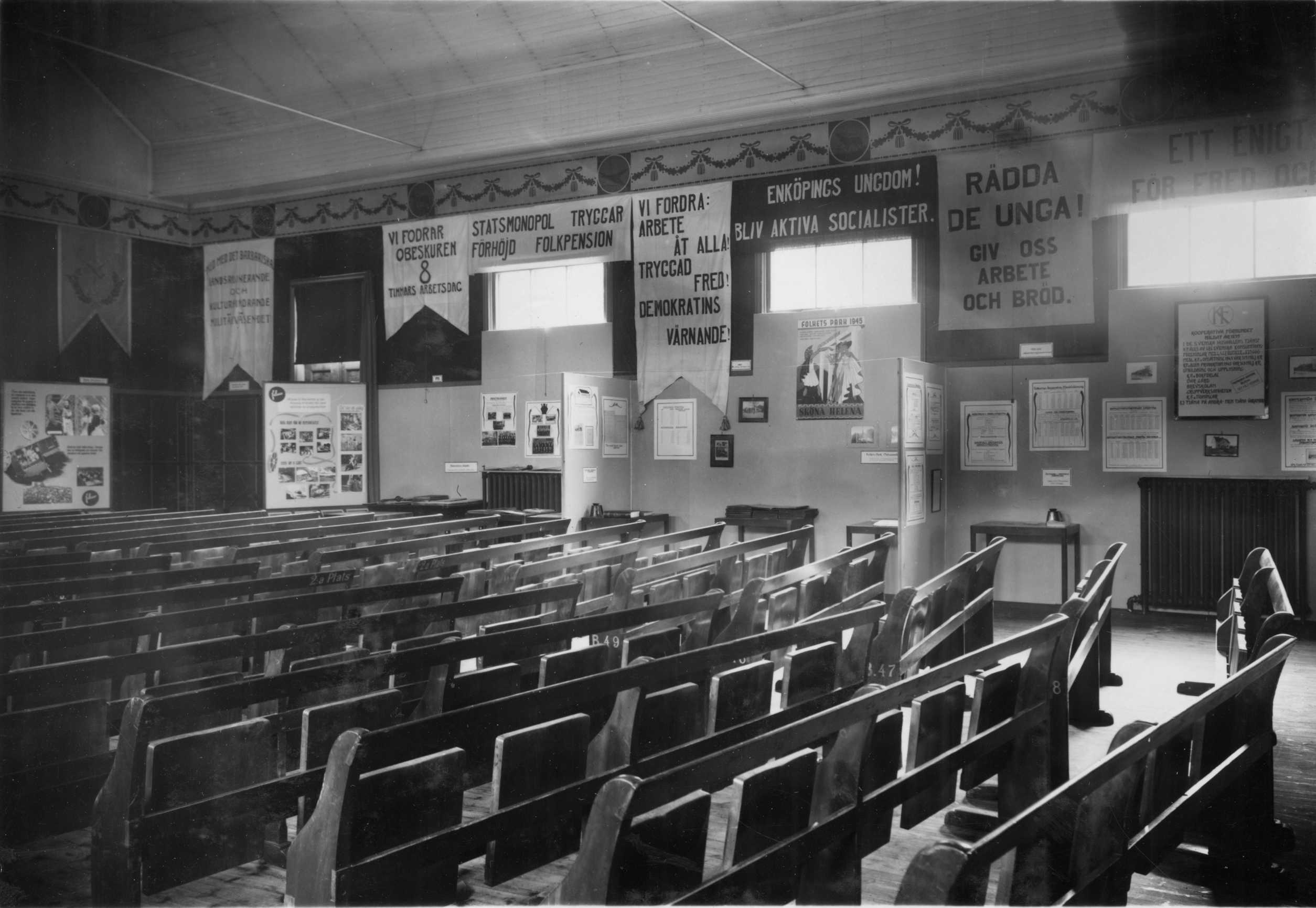
Lantarbetareförbundet avd 023 Veckholm (1931-1932)
Originally part of the Uppland Agricultural Workers' Union.
In 1963-1966, a branch was formed with division 016 Grillbyorten,
under the division 023 Trögd.
Merged into division 023 Enköping in 1967.
In 1963-1966, a branch was formed with division 016 Grillbyorten,
under the division 023 Trögd.
Merged into division 023 Enköping in 1967.
Division
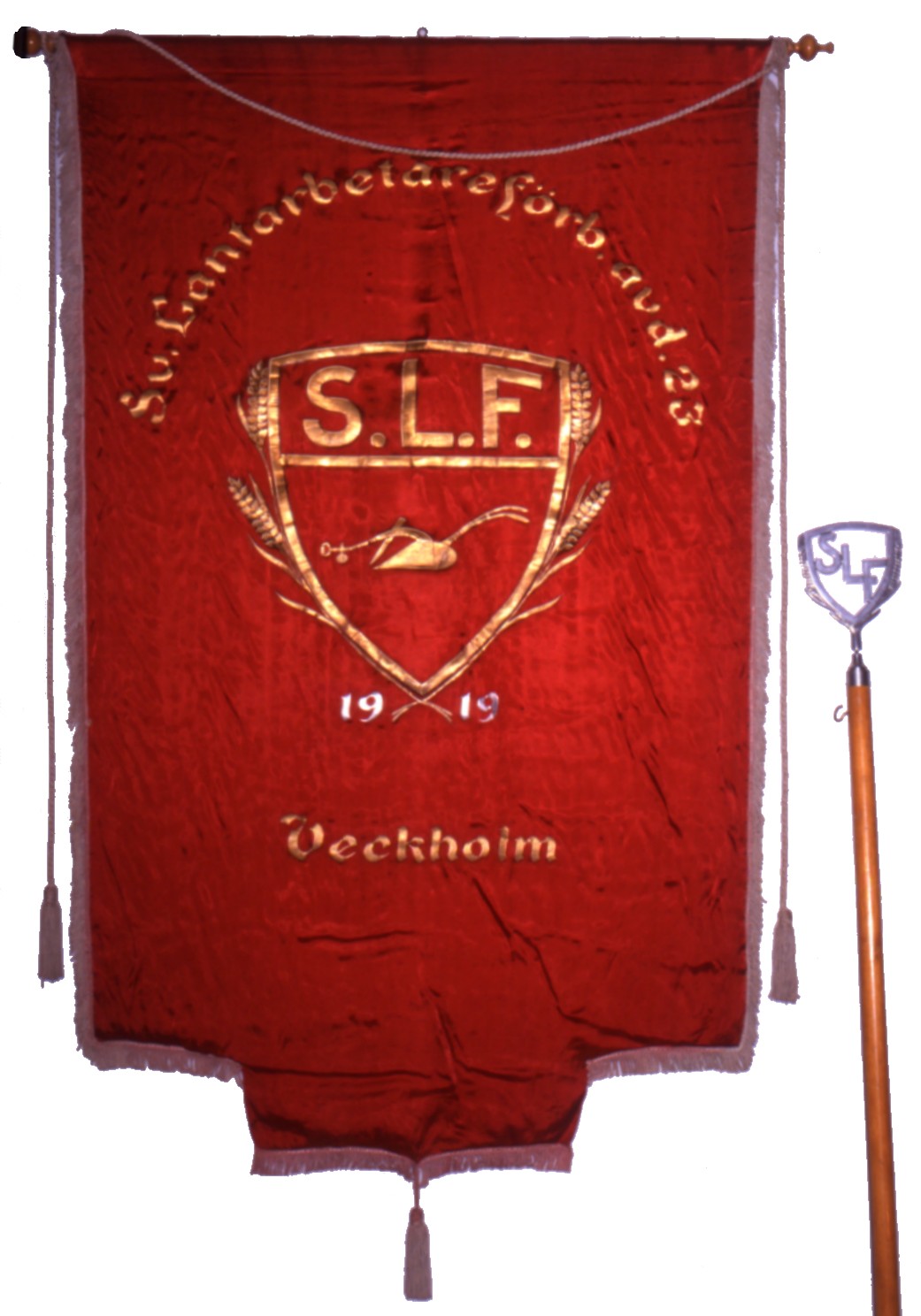
Lantarbetareförbundet avd 174 Harg (1931)
On August 31, 1919, 54 people met under the leadership of K. A. Borg from Skutskär and decided to form the Uppland Agricultural Workers' Union, department 62 Harg.
On January 1, 1930, the Uppland Agricultural Workers' Union ceased to exist and was subsequently merged into the Swedish Agricultural Workers' Union. The department in Harg was also transferred and became department 174.
On July 1, 1978, the branch's members were transferred to department 179 in Tierp.
On January 1, 1930, the Uppland Agricultural Workers' Union ceased to exist and was subsequently merged into the Swedish Agricultural Workers' Union. The department in Harg was also transferred and became department 174.
On July 1, 1978, the branch's members were transferred to department 179 in Tierp.
division
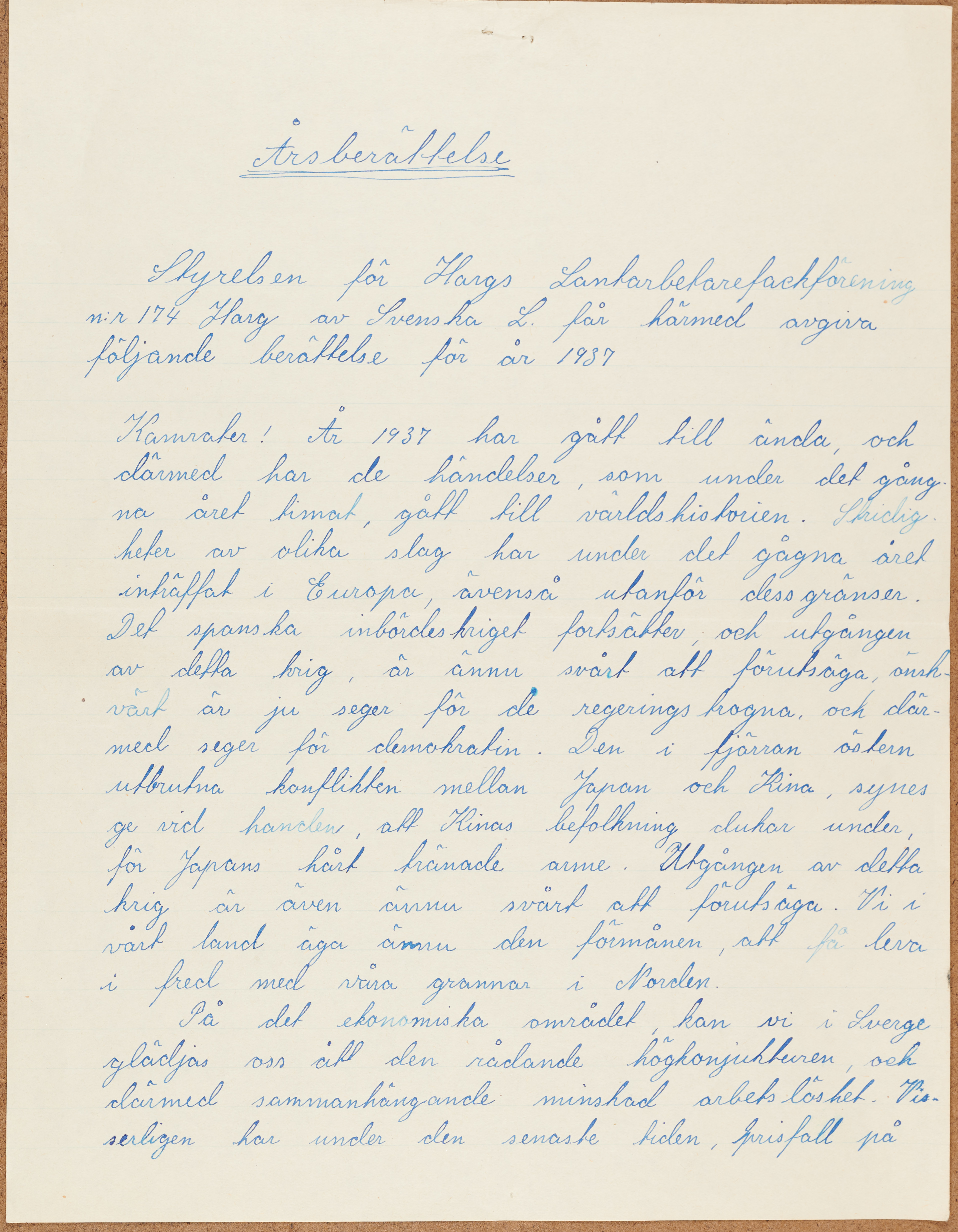
International Federation of Trade Unions of Audio-Visual Workers - FISTAV (1975-1993)
The organisation was founded in London in 1975, on the initiative of Alan Sapper and the British trade union Association of Cinematograph, Television and Allied Technicians. The acronym FISTAV comes from its French name - Fédération internationale des syndicats des travailleurs de l'audiovisuel.
The organisation chose to remain independent from both the International Confederation of Free Trade Unions (ICFTU) and the World Federation of Trade Unions (WFTU). It thus brought together social democratic, communist, and non-aligned trade unions in the film and television sector, putting it in competition with ISETU, which was affiliated with the ICFTU.
In 1979, FISTAV had members from a wide range of countries in Europe, Asia and the Middle East, including the United Kingdom, France, Italy, Japan, the Soviet Union and several Eastern European countries.
The federation worked closely with the International Federation of Actors (FIA) and the International Federation of Musicians (FIM).
In 1993, FISTAV merged with ISETU to form the new organisation Media and Entertainment International (MEI).
The organisation chose to remain independent from both the International Confederation of Free Trade Unions (ICFTU) and the World Federation of Trade Unions (WFTU). It thus brought together social democratic, communist, and non-aligned trade unions in the film and television sector, putting it in competition with ISETU, which was affiliated with the ICFTU.
In 1979, FISTAV had members from a wide range of countries in Europe, Asia and the Middle East, including the United Kingdom, France, Italy, Japan, the Soviet Union and several Eastern European countries.
The federation worked closely with the International Federation of Actors (FIA) and the International Federation of Musicians (FIM).
In 1993, FISTAV merged with ISETU to form the new organisation Media and Entertainment International (MEI).
International branch
International Metalworkers' Federation - IMF (1893-2012)
The International Metalworkers' Federation (IMF) was a global union federation founded in Zürich in 1893.
Originally established as the International Metallurgists' Bureau of Information, it adopted the name IMF in 1904 after merging with the International Secretariat of Foundry Workers.
Membership fluctuated over time, dropping during the 1930s depression but rebounding post-WWII. In 1949, some unions briefly formed a separate foundry federation due to disagreements over sectoral conferences.
IMF held quadrennial congresses to set policy and elect leadership. Its headquarters were in Geneva, with regional offices worldwide.
In 2012, the IMF merged with IndustriALL Global Union to form a new global federation.
Originally established as the International Metallurgists' Bureau of Information, it adopted the name IMF in 1904 after merging with the International Secretariat of Foundry Workers.
Membership fluctuated over time, dropping during the 1930s depression but rebounding post-WWII. In 1949, some unions briefly formed a separate foundry federation due to disagreements over sectoral conferences.
IMF held quadrennial congresses to set policy and elect leadership. Its headquarters were in Geneva, with regional offices worldwide.
In 2012, the IMF merged with IndustriALL Global Union to form a new global federation.
International branch
International Landworkers Federation - ILF (1920-1960)
The organisation was a global union federation of agricultural and forestry workers, founded in Amsterdam in 1920. It later moved its headquarters between Utrecht and Berlin.
The Dutch unionist Piet Hiemstra served as the organisation's first General Secretary, and British unionist Walter Smith was the first chairman.
In 1960, it merged with the Plantation Workers International Federation to form the International Federation of Plantation and Agricultural Workers, expanding its reach to workers in developing countries.
The Dutch unionist Piet Hiemstra served as the organisation's first General Secretary, and British unionist Walter Smith was the first chairman.
In 1960, it merged with the Plantation Workers International Federation to form the International Federation of Plantation and Agricultural Workers, expanding its reach to workers in developing countries.
International branch
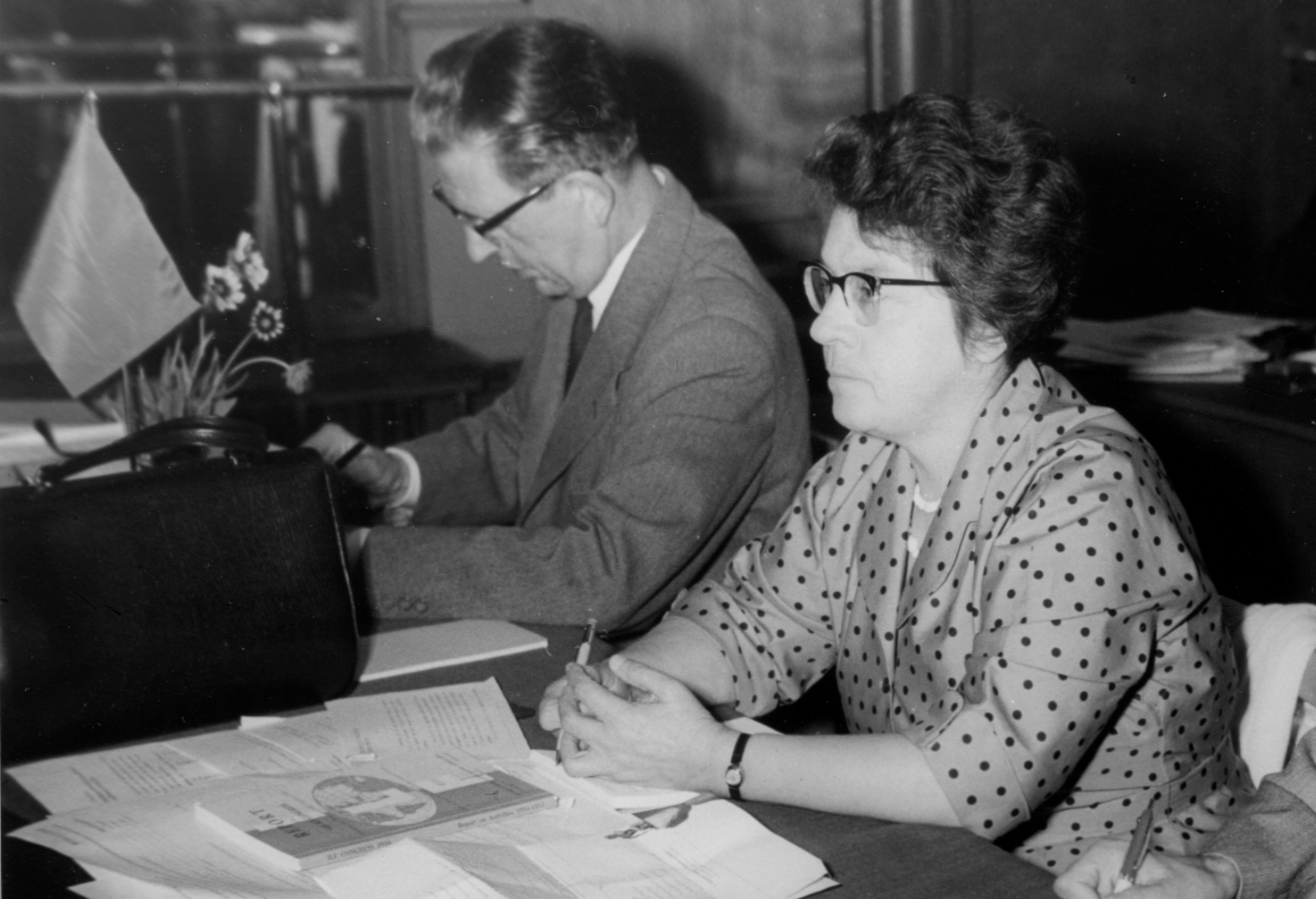
International Graphical Federation - IGF (1949-1999)
The organisation was a global union federation for printing workers, officially founded in 1949 in Stockholm, following initial merger plans that began in 1939 but were delayed by World War II.
IGF focused on industry-related issues such as technological changes, labour standards, and dispute information, operating through specialised boards and an executive committee. It was affiliated with the International Confederation of Free Trade Unions but was suspended in 1967 due to political tensions.
In 1999, IGF merged with several other federations to form Union Network International, expanding its scope to broader communication and media sectors.
IGF focused on industry-related issues such as technological changes, labour standards, and dispute information, operating through specialised boards and an executive committee. It was affiliated with the International Confederation of Free Trade Unions but was suspended in 1967 due to political tensions.
In 1999, IGF merged with several other federations to form Union Network International, expanding its scope to broader communication and media sectors.
international branch
International Federation of Tobaccoworkers - IFTW (1890-1958)
The organisation was founded in 1890 following early efforts by Belgian and Dutch unions in the 1880s. Initially based in Antwerp, it later moved to Bremen and Amsterdam. After a decline during World War I, it was re-established in 1918.
In 1958, the federation merged into the International Union of Food and Drinks Workers' Associations, which was renamed to include tobacco workers. Some affiliates instead joined the Plantation Workers International Federation.
In 1958, the federation merged into the International Union of Food and Drinks Workers' Associations, which was renamed to include tobacco workers. Some affiliates instead joined the Plantation Workers International Federation.
international branch
International Federation of Lithographers, Lithographic Printers and kindred Trades - IFL (1896-1949)
The organisation was founded in 1896 in London to unite print worker unions. Its headquarters moved several times, including to Berlin, Brussels, and Amstelveen.
By 1935, it had affiliates across Europe. In 1939, IFL agreed to merge with other printing federations, but World War II delayed the merger. It was finalised in 1949 with the creation of the International Graphical Federation.
By 1935, it had affiliates across Europe. In 1939, IFL agreed to merge with other printing federations, but World War II delayed the merger. It was finalised in 1949 with the creation of the International Graphical Federation.
International branch
International Organization of Journalists - IOJ (1946-2016)
The organisation was founded in 1946 in Copenhagen as a global press workers' organisation. Initially broad in representation, it became dominated by communist-aligned unions by 1950, prompting non-communist members to withdraw and later re-establish the International Federation of Journalists in 1952.
Headquartered in Prague during the Cold War, the IOJ was closely linked to Soviet interests and described by the CIA as a propaganda tool. Despite this, some leaders claimed its operations were more nuanced than direct Kremlin control.
Headquartered in Prague during the Cold War, the IOJ was closely linked to Soviet interests and described by the CIA as a propaganda tool. Despite this, some leaders claimed its operations were more nuanced than direct Kremlin control.
International branch
International Federation of Journalists - IFJ (1926–)
The organisation was founded in 1926 in Paris, on the initiative of the French Syndicat national des journalistes (SNJ). Activities in Paris became impossible during the Nazi occupation of France, and the organisation was re-established in 1952 in Brussels after a split during World War II and the Cold War, when communist-oriented organisations founded the International Organisation of Journalists (IOJ).
Its headquarters are in Brussels.
Its headquarters are in Brussels.
International branch
International Federation of Free Teachers' Unions - IFFTU (1951-1992)
The organisation was founded in 1951, by the International Confederation of Free Trade Unions (ICFTU) to offer an alternative the International Federation of Teachers' Trade Unions, affiliated with the World Federation of Trade Unions (WFTU).
In 1992, it merged with the World Confederation of Organisations of the Teaching Profession to form Education International.
In 1992, it merged with the World Confederation of Organisations of the Teaching Profession to form Education International.
International branch